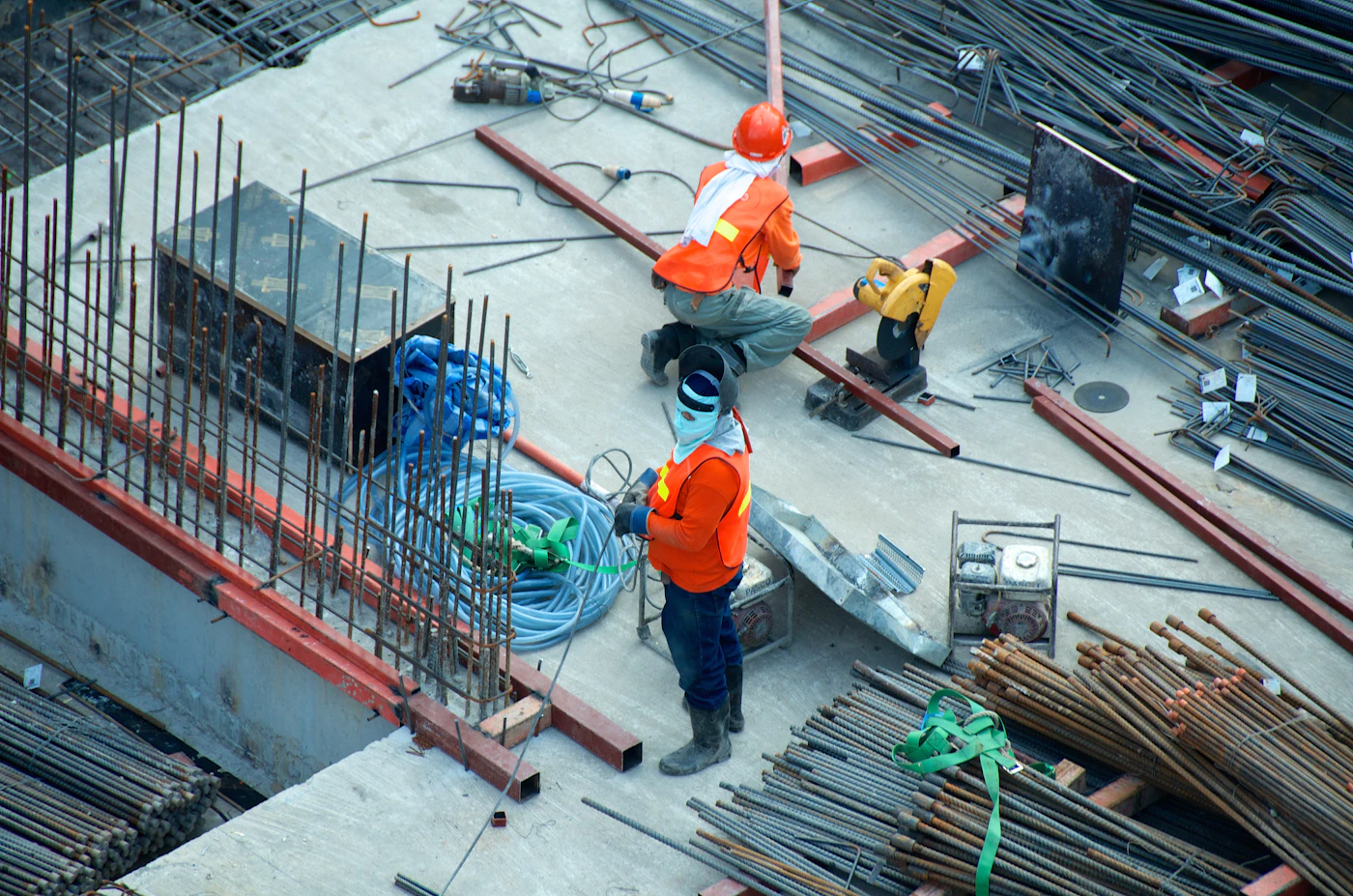
The Bureau of Labor Statistics tracks workplace injuries by type every year, producing a consistent ranking of the most common mechanisms and body parts affected. The top categories — back injuries, shoulder injuries, knee injuries, hand and wrist injuries, and head injuries — together account for roughly 75 percent of all lost-workday claims. Each category has its own medical profile, documentation requirements, and typical claim trajectory. Understanding what to expect helps workers navigate their specific situation.
Back injuries (30% of all claims)
Back injuries lead every year's workplace injury rankings by a wide margin. Mechanisms: lifting (most common), slip and fall, awkward posture, repetitive motion, motor vehicle accidents during work. Diagnoses range from acute muscular strain (resolves in 4-8 weeks) to disc herniation with radiculopathy (surgical candidate, 6-12 month recovery) to chronic low back pain (potentially years of treatment). Back injury claims are disproportionately disputed because of the difficulty distinguishing work-caused from pre-existing degenerative changes. MRI evidence of pre-existing degeneration often becomes a carrier defense, countered by expert testimony establishing aggravation of pre-existing conditions.
Shoulder injuries (15% of claims)
Rotator cuff tears, labral tears, shoulder impingement, and frozen shoulder. Mechanisms: overhead work, lifting, falls. Treatment typically progresses through physical therapy (4-8 weeks), cortisone injections (if conservative care fails), and arthroscopic surgery for structural injuries. Recovery from rotator cuff surgery runs 3-6 months. Impairment ratings for shoulder injuries use range-of-motion measurements and strength testing under the AMA Guides. Disputes often involve whether pre-existing age-related rotator cuff changes were aggravated by work activity.
Knee injuries (10% of claims)
Meniscus tears, ACL tears, and patellar tendinitis. Mechanisms: twisting injuries, falls, kneeling work, direct impact. Arthroscopic surgery for meniscus tears is a common treatment; ACL reconstruction requires substantially longer recovery (6-9 months). Knee claims frequently involve pre-existing osteoarthritis that complicates causation disputes. The ratings use range-of-motion and stability testing.
Hand and wrist injuries (10% of claims)
Carpal tunnel syndrome (the most common cumulative trauma claim), lacerations, fractures, and crush injuries. Carpal tunnel treatment typically starts with conservative measures (wrist splinting, activity modification, NSAIDs) and progresses to corticosteroid injection and ultimately carpal tunnel release surgery. The claim requires evidence linking the condition to repetitive work activity rather than non-work factors. Nerve conduction studies and EMG are the standard diagnostic workup.
Head and neck injuries (8% of claims)
Concussions, traumatic brain injury, cervical strain, cervical disc injury. The concussion protocol has become more standardized over the past decade, with return-to-work decisions driven by symptom resolution rather than arbitrary time frames. Post-concussion syndrome — persistent symptoms beyond the typical 1-3 month recovery — produces extended disability claims that insurance carriers routinely contest.
Eye injuries and hearing loss
Eye injuries account for approximately 20,000 emergency room visits from workplace incidents each year. Mechanisms include flying debris (grinding, drilling, chipping), chemical splashes, UV radiation (welders without adequate eye protection), and penetrating injuries. The immediate response matters enormously for preserving vision: chemical splashes require immediate 15-20 minute eye irrigation with clean water before medical evaluation. Workers comp covers emergency treatment, specialist evaluation, and any resulting corrective procedures or low-vision aids. Occupational hearing loss (noise-induced sensorineural hearing loss) is a distinct category covered in the occupational illness section, but acute acoustic trauma from a single exposure event — an explosion, a gunshot in an enclosed space, an industrial accident — is treated as an acute injury claim with different proof requirements than the gradual cumulative-exposure model.
Burn injuries in the workplace
Thermal burns (contact with hot surfaces, steam, fire), chemical burns (acid or alkali contact with skin or mucous membranes), and electrical burns (current passing through body tissue) all occur in industrial settings and produce some of the longest-running, highest-value workers comp claims. Burn depth classification — superficial, partial thickness, full thickness — drives both the treatment pathway and the permanent impairment outcome. Full-thickness burns requiring skin grafting produce scarring, contracture, and functional limitations that persist for years. Electrical burns are particularly insidious because surface damage substantially understates the internal tissue damage along the current path, and delayed complications (cardiac arrhythmias, rhabdomyolysis, compartment syndrome) require extended monitoring beyond initial treatment.
Why documentation in the first 72 hours determines claim outcomes
For any injury in the categories above, the documentation created in the first 72 hours following the incident is the single most important evidence in the claim. This includes: the incident report submitted to the employer (what it says, what it omits, who witnessed it), the first medical record (emergency room or urgent care notes documenting the mechanism and the worker's report of how the injury occurred), and any photographs of the injury and the scene taken before conditions change. Carriers build denial strategies around gaps or inconsistencies in this early record. A back-injury claimant who mentions weekend yard work in the initial medical notes will face a persistent employer argument that the work-related mechanism was secondary. Workers should be precise and consistent in every description of the injury event across the employer report, the treating physician notes, and any statement to the insurance adjuster.
Injury patterns in Utah's dominant employment sectors
The Bureau of Labor Statistics data above reflects national injury patterns, but Utah's employment mix produces specific concentrations of claim types that workers in the South Jordan and broader Salt Lake Valley area encounter disproportionately.
Wasatch Front construction: high-severity fall and overexertion claims
Utah has experienced sustained residential and commercial construction expansion through 2024-2026, with Salt Lake and Utah County among the fastest-growing construction corridors in the Western U.S. Construction generates Utah's highest per-worker injury rates across every major BLS category. Utah OSHA (UOSH), the state's federally-approved occupational safety program, has concentrated enforcement on fall protection, scaffolding, and ladder violations in residential construction. The practical consequence for injured workers: when a construction fall or struck-by injury occurs in the South Jordan, West Jordan, or Draper corridor, a UOSH investigation or citation is more likely than in prior years, and those records become admissible evidence in the workers comp proceeding. Construction back injuries along the Wasatch Front frequently overlap with third-party liability against general contractors or equipment suppliers, see the third-party claims page for how that parallel recovery works.
Silicon Slopes technology corridor: cumulative trauma in white-collar settings
The tech corridor running through South Jordan, Draper, and Lehi creates a distinctive injury profile. Upper extremity cumulative trauma, carpal tunnel syndrome, lateral epicondylitis, neck and shoulder strain from sustained static posture, accounts for a disproportionate share of local claims. These injuries raise the causation problem identified in the carpal tunnel section above in acute form: carriers routinely argue that keyboard-related conditions arise from personal computer use rather than occupational exposure. Utah workers in the tech sector need employment records (hours worked, workstation conditions, job duties) established early in the claim to counter this argument. Neck and shoulder injuries from monitor height and extended static sitting are less frequently claimed but increasingly recognized under Utah law when an occupational medicine physician documents the specific ergonomic exposure and quantifies the occupational versus non-occupational contribution.
Healthcare corridor: patient handling and bloodborne pathogen exposure
Intermountain Health and University of Utah Health systems together employ a large share of the Salt Lake Valley healthcare workforce. Healthcare workers face above-average rates in two distinct injury categories that appear in the BLS data but are often underclaimed. First, patient-handling injuries: back and shoulder injuries from manual patient transfer without mechanical lift equipment account for a disproportionate share of Utah healthcare workers' comp claims. These are straightforward acute or cumulative-trauma claims but are sometimes under-documented because nursing staff report to employer-controlled occupational health programs that may minimize mechanism. Second, bloodborne pathogen exposures from needlestick or splash injuries require contemporaneous documentation of the exposure event and timely post-exposure prophylaxis, the workers comp claim must include the incident report, exposure protocol, and any resulting infectious disease testing.
Outdoor recreation and resort employment: seasonal high-severity patterns
The proximity of the Salt Lake Valley to four major ski resorts (Alta, Brighton, Snowbird, Solitude) creates a distinct seasonal employment sector with orthopedic injury rates well above national workplace averages. Ski patrol, lift operations, and ski instruction workers file high-severity claims involving ACL tears, rotator cuff injuries, head trauma, and frostbite exposure. These claims often involve disputes about medical causation (was the ski patrol worker's ACL tear from a work incident or recreational skiing?) requiring contemporaneous incident reports and witness statements. The sports-specific mechanisms present the same documentation challenge as construction, the first 72 hours of records are critical to establishing the work-related mechanism before any alternative explanation develops.
Related reading
For how to document injuries to support a claim, see pre-shift checklist. For the full claim framework, the Complete Guide covers reporting through settlement. For specific severe injuries like frozen shoulder, see our frozen shoulder dispatch.